
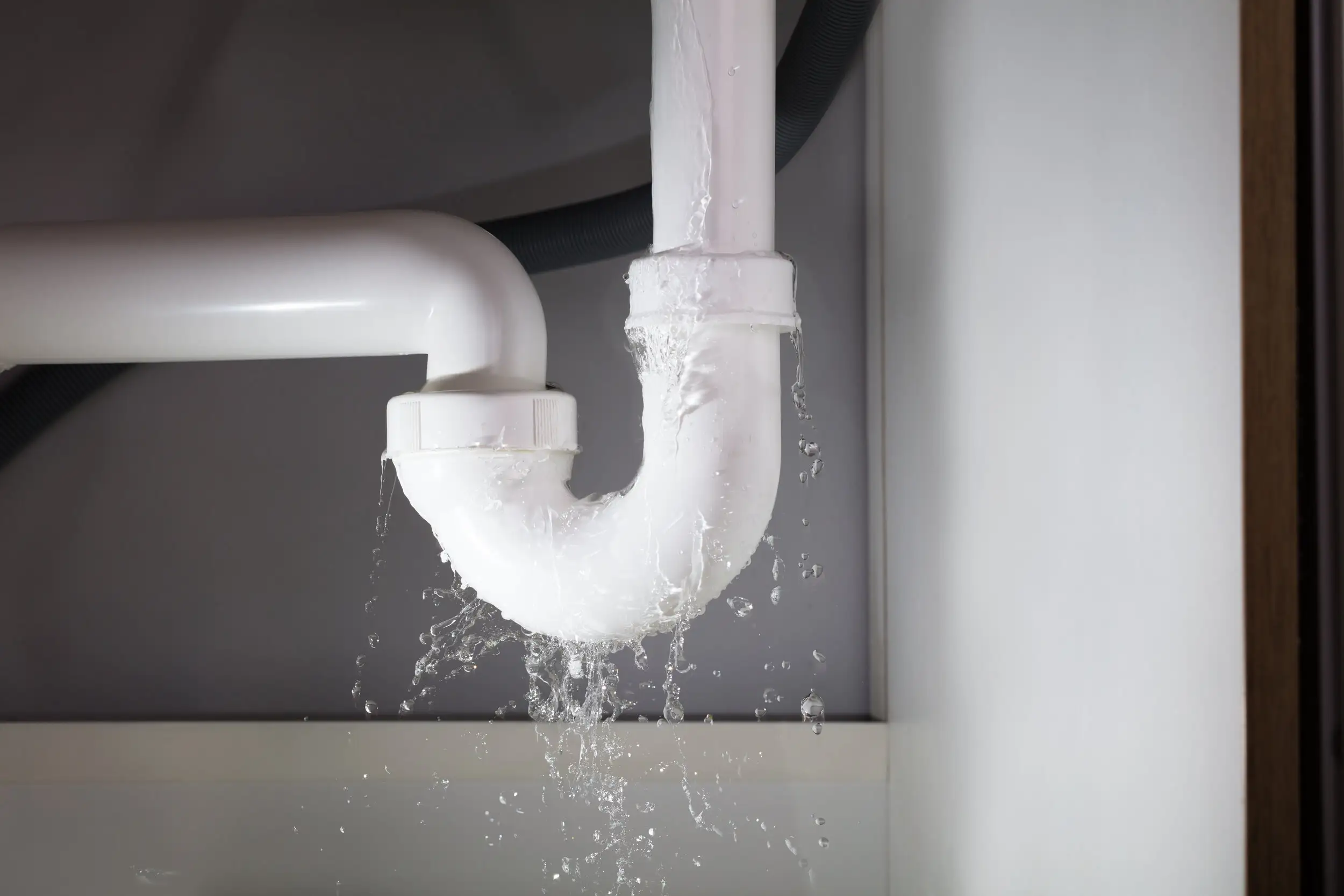
Plumbing issues are one of the most common problems Auckland homeowners face. From blocked drains to leaking pipes, small faults can turn into expensive repairs if they are ignored. Auckland’s climate, ageing housing stock and uneven water pressure all play a part.
At HW Group we work with homeowners across Auckland and the North Shore every day, and the same plumbing issues come up time and time again. This guide covers the ones we see most, why they happen, and how they are usually fixed.
Why plumbing problems are so common in Auckland homes
Auckland homes face a mix of environmental and structural challenges. Many were built decades ago and still rely on the original pipework. Add heavy rainfall and water pressure that varies from suburb to suburb, and plumbing systems are often under more strain than homeowners realise.
Blocked drains, leaking taps and hot water cylinder problems are not just inconveniences. Left alone, they can cause water damage, higher water bills and long-term structural issues.
1. Blocked drains and toilets
Blocked drains are one of the most frequent problems we attend, especially in older suburbs with established trees.
Grease, food waste, wet wipes and tree roots are the usual causes. During heavy rain, stormwater systems can also overload and make blockages worse.
Early signs include slow drainage, unpleasant odours, or gurgling from sinks and toilets. Basic maintenance may help in minor cases, but recurring blockages usually need professional drain clearing to avoid damaging the pipe. See our blocked drains page for what we check.
2. Leaking taps and fixtures
A dripping tap seems minor, but it is one of the most common plumbing issues in New Zealand homes. Most leaks come down to worn washers or seals, often made worse by inconsistent water pressure.
Over time even a small leak wastes thousands of litres of water and pushes up the bill. A leaking fixture can also point to a deeper pressure or pipework issue.
A simple tap repair is quick. An ongoing leak is best inspected by a qualified plumber so it does not cause further damage. More on leaking taps.
3. Low water pressure
Low water pressure is a frequent complaint in Auckland, particularly on elevated sections or in homes with older plumbing.
Pressure problems can affect the whole house or just one fixture. Common causes include corroded pipes, hidden leaks, a faulty pressure limiting valve, or a problem with the hot water system.
A proper inspection works out whether the issue is local or part of a larger problem. Fixing it early protects appliances, taps and pipework from unnecessary strain. See water mains and pressure.
4. Burst or leaking pipes
Burst and leaking pipes are among the most serious problems a homeowner can face. Older pipe materials, ground movement and long-term wear all lead to pipe failure.
Warning signs include damp patches on walls or ceilings, mould, reduced pressure, or an unexplained rise in the water bill. Some leaks stay hidden until real damage has been done.
If a pipe bursts, turn the water off at the toby and call a licensed plumber. Prompt repair keeps the damage and the restoration bill down. See burst pipes and leak detection.
5. Hot water cylinder problems
Cylinder faults are common in homes where the unit is more than 10 to 15 years old. Typical symptoms are inconsistent temperature, reduced pressure, leaks, or no hot water at all.
Sediment inside the cylinder reduces efficiency and shortens its life. Some faults can be repaired, but an older unit may need replacing to meet current efficiency and safety standards.
A professional assessment tells you whether repair or replacement is the better call. See hot water cylinders.
6. Running or constantly filling toilets
A toilet that keeps running is easy to overlook, but it wastes a surprising amount of water. The cause is usually a worn internal part such as a valve or seal.
Because the problem is often silent, many people only notice when the water bill goes up. Some internal repairs are straightforward, but a persistent problem should be checked. See toilet repairs.
7. Blocked stormwater drains
Blocked stormwater is a real concern in Auckland during periods of heavy rain. Leaves, debris and sediment restrict flow, leading to pooling, overflow or flooding around the property.
Poor stormwater drainage damages foundations, landscaping and outdoor structures. Regular maintenance and inspection prevent blockages before they become serious, especially heading into the wetter months.
When to call a licensed plumber
Some minor issues can be managed early, but many repairs legally require a certifying plumber in New Zealand. Work on hot water systems, drainage, pipe repairs or gas must meet compliance standards.
DIY fixes on regulated plumbing work create safety risks and compliance problems when you sell or renovate. A qualified professional gets the work done safely, correctly and to code.
How to prevent common plumbing problems
Preventative maintenance is the most effective way to avoid unexpected repairs. Regular inspections, early leak detection and professional servicing extend the life of your plumbing.
Simple habits help too: dispose of grease properly, keep wipes out of the toilet, and deal with small leaks early. For older Auckland homes, a scheduled plumbing check is well worth it.
Final thoughts
Plumbing problems are a reality for many Auckland homeowners, but they do not have to become expensive. Understanding the common issues and acting early protects your home, reduces water waste and avoids unnecessary repairs.
HW Group provides plumbing, drainage, hot water and renovation services across Auckland. If you suspect a plumbing problem in your home, early action is always the best move.
Plumbing FAQs for Auckland homes
Why do drains block so often in Auckland homes? Heavy rainfall, tree roots and waste like grease and wipes, especially in older homes.
Is low water pressure common in Auckland houses? Yes. It often comes from old pipes, hidden leaks or a faulty pressure valve rather than the mains supply.
How do I know if I have a hidden leak? Rising water bills, damp walls, mould or reduced pressure can all point to one.
How long do hot water cylinders last in NZ homes? Most last 10 to 15 years. Leaks or inconsistent hot water usually signal a problem.
Can a running toilet really waste water? Yes. It can waste thousands of litres and raise your bill without any obvious sign.